

Why Fast Bowling Is Cricket’s Most Demanding Skill
I still remember the first time I stood behind the nets and watched a genuinely quick bowler up close. The sound was different. The ball didn’t just hit the wicketkeeper’s gloves — it cracked into them.
Every delivery felt like a small collision. After six balls, the bowler bent over with hands on knees, chest heaving, shirt drenched in sweat… and then turned around and sprinted back to the top of the mark to do it again.
That moment changed how I understood fast bowling. From the outside, it looks like a simple act: run in, jump, release. But the longer I watched, the more I realised how brutally demanding it really is. The coordination. The physical strain. The precision under fatigue. The courage to run in again after being hit for a boundary. It felt less like a skill and more like a full-body performance repeated ball after ball.
Fast bowling is the most physically demanding, technically complex, and mentally brutal skill in cricket. Batters can survive on timing, and spinners can rely on craft and deception. But fast bowlers must combine speed, strength, athleticism, skill, rhythm, endurance, and courage — every single delivery, every single spell. That’s why genuinely fast bowlers are rare, and why the ones who succeed often feel almost mythical to young cricketers watching from the boundary.
Almost every young cricketer dreams of bowling fast. The dream is simple: long run-up, thundering footsteps, and the ball whistling past the bat. But very few players are actually taught how fast bowling truly works. Most grow up hearing the same advice repeated over and over again — run faster, hit the gym, use your wrist.
The problem is that this advice barely scratches the surface. Fast bowling is not one isolated skill you can “fix” with a single tip. It is a complete performance system, where mechanics, strength, rhythm, recovery, and mindset all interact. Ignore one part of the system, and the entire chain weakens.
This guide is designed to become the most complete fast bowling resource on the internet. Instead of scattered tips, it brings everything together into one roadmap so you can understand how fast bowling really works and how fast bowlers actually develop.
Before we dive in, here’s what we’re going to cover. Think of this as the blueprint for your fast-bowling journey — the big picture of what you’ll learn and how each piece connects to the next:
• How pace is generated
• Perfect bowling mechanics
• Fast bowler fitness & gym training
• Speed improvement programs
• Injury prevention
• Diet & recovery
• Skills like yorkers & bouncers
• Equipment & career pathway in India
Each of these areas matters because fast bowling is never built in isolation. You can’t train speed without understanding mechanics. You can’t improve skills without managing recovery. And you can’t chase a career without knowing the pathway ahead. By the end of this guide, the goal is for you to see how all of these pieces fit together into one system.
Whether you’re just starting out, grinding through teenage cricket, playing club matches on weekends, or chasing professional cricket seriously, the journey usually begins in the same place — curiosity mixed with ambition and a lot of unanswered questions.
So if you see yourself in any of these stages, this roadmap is built for you:
Beginner
Teenage cricketer
Club player
Aspiring professional
No matter where you are right now, the aim of this guide is simple: to give you the complete roadmap most fast bowlers wish they had when they started.
If you do not have a training facility, nets, coach, mentor. Don’t worry!! you can checkout Home Cricket Training Setup Guide: Build Your Perfect Practice Space on Any Budget and if you are interested in building your skills at home, Download Your Free Home Cricket Training Schedule below.
GET STARTED TODAY !!
FREE HOME CRICKET SCHEDULE
SECTION 1
What is Fast Bowling?
Fast bowling is the art of delivering the cricket ball at high speed while maintaining accuracy, control, and tactical intent.
But speed alone does not define a fast bowler.
A true fast bowler must combine:
- Pace
- Accuracy
- Movement (swing/seam)
- Stamina
- Durability
- Aggression
- Tactical intelligence
Fast bowling is a blend of athletic performance + biomechanics + skill execution.
Types of Fast Bowlers
Understanding the types of fast bowlers helps you identify your natural pathway.
1️⃣ Fast Bowlers (140–150+ km/h)
These are the express pace bowlers.
Traits:
- Explosive power
- Tall frame (often)
- High sprint speed
- Strong lower body
- Aggressive mindset
Role:
- Intimidation
- Short-pitched bowling
- Breaking partnerships
2️⃣ Fast-Medium Bowlers (130–140 km/h)
The most common category.
Traits:
- Good athletic base
- Balance of speed + control
- Swing & seam ability
Role:
- New ball control
- Consistent wicket-taking
- Long spells
This is the category most young Indian fast bowlers should initially target.
3️⃣ Swing Bowlers
These bowlers move the ball in the air.
Types:
- Outswing bowlers
- Inswing bowlers
Key skill: Seam position + wrist control
Swing bowlers don’t always bowl the fastest, but they are deadly.
4️⃣ Seam Bowlers
Seam bowlers rely on movement off the pitch.
Traits:
- Upright seam position
- Accuracy
- Consistent line & length
They are match winners in helpful conditions.
Why Fast Bowling Is the Hardest Skill in Cricket
Fast bowling stresses the body like a sprint + jump + throw combined into one explosive movement.
During delivery:
- The front leg absorbs forces up to 8–10× body weight
- Spine rotates violently
- Shoulder rotates at extreme speed
- Ankles & knees absorb massive impact
This is why fast bowlers:
- Need elite fitness
- Get injured often
- Require workload management
Fast bowling is essentially repeated explosive sprinting + jumping + throwing for hours.
No other cricket skill demands this level of physical output.
The Fast Bowler Mindset
Fast bowling is as mental as it is physical.
Great fast bowlers share:
- Aggression
- Persistence
- Resilience
- Patience
- Confidence
You must enjoy:
- Hard training
- Physical discomfort
- Long spells
- Competing under pressure
Fast bowlers don’t avoid challenges.
They run towards them.
If you are interested to know how to maintain consistency in bowling, check out our article Why Most Bowlers Never Master the Yorker in T20s — And What Cricket Analytics Reveals About Fixing It
The Fast Bowling Journey
Every fast bowler progresses through stages:
- Learn correct mechanics
- Build strength & athleticism
- Increase speed safely
- Master skills (swing, yorker, bouncer)
- Develop endurance
- Prevent injuries
- Compete professionally
This guide will walk you through every stage.
SECTION 2
The Science of Bowling Speed
If you truly want to bowl fast, you must understand one thing:
👉 Fast bowling is physics, not magic.
Speed does not come from “bowling harder.”
It comes from efficient energy transfer through the body.
This section is the foundation of everything that follows.
The Biggest Myth About Bowling Fast
Most young bowlers believe speed comes from:
- Strong arms ❌
- Bowling more overs ❌
- Running faster ❌
These help slightly — but they are NOT the main source of pace.
Real bowling speed comes from the kinetic chain.
What is the Kinetic Chain?
The kinetic chain is the sequence of body movements that transfer energy from the ground to the ball.
Fast bowling speed is generated from:
Ground → Legs → Hips → Core → Shoulders → Arm → Wrist → Ball
If one link is weak, speed leaks away.
Think of a whip:
- The handle moves slowly
- The tip moves extremely fast
Your body works the same way.
Where Bowling Speed REALLY Comes From
1️⃣ Ground Reaction Force (The Real Power Source)
When your front foot lands, the ground pushes back.
This force travels up your body.
Elite fast bowlers generate massive force through the front leg block.
Key idea:
- The harder the front leg blocks → the faster the upper body whips through.
This is why strong legs are more important than strong arms.
2️⃣ Run-Up Momentum
Your run-up builds momentum.
But here’s the key:
The run-up is NOT about sprinting as fast as possible.
It is about:
- Controlled acceleration
- Rhythm
- Stability
Too slow → no momentum
Too fast → loss of balance and control
Perfect run-up = controlled speed + rhythm
3️⃣ Hip–Shoulder Separation (The Speed Multiplier)
This is the secret behind express pace.
At front foot landing:
- Hips rotate toward the batter
- Shoulders stay side-on
This creates a stretch across the torso.
Then the shoulders snap through violently.
This stretch-shortening cycle is what produces explosive speed.
The bigger the separation → the greater the speed potential.
4️⃣ The Front Leg Block
This is the #1 speed generator.
When the front foot lands:
- The leg must be strong and braced
- It should NOT collapse
A strong front leg:
- Stops forward momentum
- Transfers energy upward
This creates the whipping action of the upper body.
Weak front leg = huge speed loss.
5️⃣ Trunk Rotation (Core Power)
Your core connects the lower and upper body.
A powerful rotation:
- Transfers energy efficiently
- Protects the spine
- Improves accuracy
Fast bowlers need explosive rotational strength, not just six-pack abs.
6️⃣ Shoulder & Arm Rotation
The bowling arm rotates at extreme speed.
Important:
The arm does NOT create speed.
It transfers speed generated by the body.
Trying to bowl fast with your arm leads to:
- Shoulder injuries
- Loss of speed
- Poor accuracy
The arm is the final link, not the main engine.
7️⃣ Wrist Snap & Seam Release
The wrist provides the final acceleration.
A strong wrist:
- Adds late speed
- Controls seam position
- Improves swing
This is the last piece of the speed puzzle.
Why Some Bowlers Stay Slow Forever
Most bowlers lose speed due to:
❌ Poor run-up rhythm
❌ Weak legs
❌ Collapsing front leg
❌ Poor hip-shoulder separation
❌ Weak core
❌ Arm-dominant bowling
❌ Lack of sprint training
The solution is not bowling more.
The solution is training like an athlete.
Speed Potential: Genetics vs Training
Truth:
Genetics decide your maximum speed.
Training decides whether you reach it.
Most bowlers operate at 70–80% of their potential.
With proper training:
- +10 km/h improvement is realistic
- +15 km/h is possible for teenagers
- Even adults can gain speed
The 3 Pillars of Bowling Speed
Every fast bowler must develop:
1️⃣ Technique
2️⃣ Strength & power
3️⃣ Sprint speed & explosiveness
Miss one → speed plateaus.
Master all three → speed climbs steadily.
SECTION 3
How to Bowl Fast — Step-by-Step Fast Bowling Mechanics
This is the most important section of the entire guide.
Speed, accuracy, swing, injury prevention — everything depends on bowling mechanics.
We will break the action into 7 phases used by elite fast bowlers.
Fast bowling is not one movement.
It is a sequence of perfectly timed movements.
The 7 Phases of the Fast Bowling Action
- The Run-Up
- The Gather
- The Bound (Jump)
- Back Foot Contact
- Front Foot Contact (Power Phase)
- Ball Release
- Follow-Through
Master these → you unlock your real pace potential.
Phase 1: The Perfect Run-Up
The run-up sets the rhythm of the entire action.
A bad run-up destroys:
- Balance
- Timing
- Speed
- Accuracy
Goals of the Run-Up
- Build controlled momentum
- Stay balanced
- Maintain rhythm
- Arrive at the crease in control
Key Run-Up Principles
✔ Accelerate gradually
✔ Stay tall while running
✔ Keep head steady
✔ Arms move naturally (like sprinting)
✔ Last 5 steps are the fastest
The Rhythm Rule
Your run-up should feel like:
Jog → Run → Sprint → Bowl
Not sprinting from ball one.
Common Run-Up Mistakes
❌ Sprinting too early
❌ Slowing down before crease
❌ Looking at feet while running
❌ Changing run-up every match
Consistency builds accuracy.
Phase 2: The Gather (Pre-Delivery Position)
The gather is the moment before the jump.
It is where you prepare your body to convert running speed into bowling power.
What Happens in the Gather
- Body turns side-on
- Bowling arm goes up
- Front arm lifts
- Knees bend slightly
Think of this as loading a spring.
A powerful gather leads to a powerful delivery.
Key Tips
✔ Stay tall
✔ Keep chest upright
✔ Don’t collapse forward
✔ Keep momentum moving forward
Phase 3: The Bound (The Jump)
This is the transition from running to bowling.
It is NOT a high jump.
It is a controlled forward bound.
Goals of the Bound
- Maintain momentum
- Align the body side-on
- Prepare for powerful landing
The Momentum Rule
The bound should move:
Forward → not upward
Jumping too high kills speed.
Phase 4: Back Foot Contact (BFC)
Your back foot lands first after the bound.
This is where your body prepares for the power phase.
What Should Happen
- Body is side-on
- Hips aligned toward target
- Shoulders still closed
- Head steady and facing batter
This creates the foundation for hip-shoulder separation.
Phase 5: Front Foot Contact (The Power Phase)
This is the most explosive moment in fast bowling.
Everything happens here.
When the front foot lands:
- Momentum stops
- Energy transfers upward
- Upper body whips through
The Front Leg Block
Your front leg must:
✔ Land strong
✔ Be slightly bent initially
✔ Then brace and straighten
This creates the whip effect.
Why This Phase Generates Speed
Forward momentum → stops suddenly → converts into rotational energy.
This is how elite bowlers generate pace.
Key Position Checklist
- Head over front knee
- Chest upright
- Front arm pulling down aggressively
- Hips rotating first
- Shoulders follow after
This sequence is CRITICAL.
Phase 6: Ball Release
This is the final speed transfer.
The bowling arm now moves at extreme speed.
The Perfect Release Position
✔ Arm straight and high
✔ Wrist behind the ball
✔ Fingers behind seam
✔ Release at highest point
Think: Reach high and snap down.
Why Wrist Position Matters
A strong wrist:
- Adds extra speed
- Controls seam position
- Improves swing
Weak wrist = slow, inaccurate bowling.
Phase 7: The Follow-Through
Many bowlers ignore this phase.
That’s a mistake.
A good follow-through:
✔ Prevents injuries
✔ Maintains balance
✔ Improves accuracy
✔ Protects the lower back
Your body must continue moving forward naturally.
Never stop suddenly after release.
Fast Bowling Action Summary
Speed = Momentum + Sequencing + Timing
The correct order is:
- Run-up builds momentum
- Gather loads the body
- Bound transfers momentum
- Front leg blocks momentum
- Hips rotate
- Shoulders whip through
- Arm releases ball
- Wrist adds final speed
Perfect sequencing = Maximum pace.
Most Common Fast Bowling Technique Mistakes
❌ Bowling with the arm only
❌ Weak front leg
❌ Poor run-up rhythm
❌ Falling sideways
❌ No hip-shoulder separation
❌ Overjumping in bound
Fixing these alone can add 5–10 km/h.
SECTION 4
Fast Bowler Fitness Blueprint
The Training System That Actually Increases Bowling Speed
If technique is the engine, fitness is the fuel.
You cannot bowl fast consistently without becoming an athlete first.
Fast bowlers are closer to sprinters + jumpers + throwers than traditional cricketers.
This section explains the exact physical qualities that increase bowling speed safely.
Why Gym Training Matters for Fast Bowlers
Fast bowling requires:
- Explosive leg power
- Sprint speed
- Core rotational strength
- Shoulder stability
- Strong ankles & knees
- High work capacity
Without strength training:
- Speed plateaus early
- Injuries increase
- Stamina drops quickly
Fast bowlers must train like track athletes.
The 5 Physical Pillars of Fast Bowling
Every fast bowler must develop these.
1️⃣ Lower Body Strength (The Power Engine)
Your legs generate most of your bowling speed.
Key muscle groups:
- Glutes
- Hamstrings
- Quadriceps
- Calves
Benefits:
- Faster run-up
- Strong front leg block
- More explosive deliveries
- Reduced injury risk
Weak legs = slow bowling.
2️⃣ Explosive Power (Turning Strength into Speed)
Strength alone is not enough.
You must convert strength into explosive movement.
This is done using:
- Plyometrics
- Sprint training
- Olympic-style lifting
Power = Strength × Speed
Fast bowlers need both.
3️⃣ Sprint Speed
Your run-up is a controlled sprint.
Faster athletes generate more momentum.
Sprint training improves:
- Acceleration
- Rhythm
- Athleticism
- Fast-twitch muscle development
Many bowlers gain speed simply by becoming faster runners.
4️⃣ Core Strength (The Force Transfer System)
Your core transfers energy from legs to upper body.
Key functions:
- Rotational power
- Stability
- Injury prevention
Important:
Fast bowlers need anti-rotation + rotation strength, not just sit-ups.
5️⃣ Shoulder Strength & Stability
Your shoulder rotates at extreme speed during bowling.
Weak shoulders lead to:
- Injuries
- Loss of speed
- Reduced control
You need:
- Stability
- Mobility
- Rotator cuff strength
The Fast Bowler Training Pyramid
Priority order:
- Movement quality & mobility
- Strength training
- Power training
- Sprint training
- Endurance conditioning
Most bowlers do this backwards.
They bowl more instead of training smarter.
Weekly Training Structure for Fast Bowlers
Ideal weekly structure:
3 Strength Sessions
2 Sprint / Plyometric Sessions
1–2 Bowling Skill Sessions
1 Full Rest Day
This balance maximizes speed and recovery.
Strength Training Fundamentals
Key Training Principles
✔ Focus on compound exercises
✔ Train explosively
✔ Use proper technique
✔ Prioritize recovery
✔ Progress gradually
Avoid bodybuilding-style workouts.
Fast bowlers are athletes, not bodybuilders.
The Most Important Gym Exercises for Fast Bowlers
If you’re serious about building real pace, don’t miss our deep dive Your Gym Routine Is Killing Pace — Fast Bowler Gym Workout Plan, where we break down the exact strength and power training fast bowlers actually need. Now moving on to important Gym exercises for fast bowlers.
Lower Body (Power & Strength)
Must include:
- Squats
- Deadlifts
- Lunges
- Hip thrusts
- Step-ups
These build the engine of pace.
Upper Body (Power Transfer)
Focus on:
- Pull-ups
- Rows
- Push-ups
- Landmine press
- Medicine ball throws
These improve force transfer and shoulder safety.
Core Training (Rotation & Stability)
Best exercises:
- Pallof press
- Russian twists
- Hanging leg raises
- Cable rotations
- Planks
This connects lower and upper body power.
Plyometric Training for Fast Bowlers
Plyometrics teach the body to produce force quickly.
Key drills:
- Box jumps
- Broad jumps
- Bounding
- Single-leg hops
- Depth jumps
These improve:
- Run-up explosiveness
- Front leg block strength
- Athletic power
Sprint Training for Bowling Speed
Sprint training improves:
- Acceleration
- Stride power
- Fast-twitch muscle activation
Key sprint drills:
- 20m sprints
- 30m sprints
- Hill sprints
- Resisted sprints
Sprinters often become faster bowlers.
Mobility & Flexibility
Fast bowlers need mobility in:
- Ankles
- Hips
- Thoracic spine
- Shoulders
Poor mobility leads to:
- Injury
- Poor technique
- Reduced speed
Mobility work must be done daily.
Conditioning & Endurance
Fast bowlers must bowl long spells.
Conditioning methods:
- Interval running
- Shuttle runs
- Tempo runs
Goal: Maintain speed over spells.
Recovery: The Secret Weapon
Training breaks the body.
Recovery makes it stronger.
Essential recovery habits:
- 7–9 hours sleep
- Proper nutrition
- Hydration
- Stretching
- Rest days
No recovery = no progress.
The Fast Bowler Athletic Transformation
With proper training:
3 months → noticeable strength gains
6 months → speed improvement
12 months → major performance changes
Consistency beats talent.
SECTION 5
Fast Bowler Workout Plan (Gym + Home)
Complete Weekly Training Program to Increase Bowling Speed
This is the practical system you can start this week.
We’ll build:
- Gym workout plan
- Home workout alternative
- Sprint sessions
- Plyometric sessions
- Weekly schedule
This program is designed for:
- Teen cricketers
- Club players
- Aspiring professionals
Weekly Training Split (Ideal Structure)
| Day | Training Focus |
|---|---|
| Monday | Lower Body Strength + Core |
| Tuesday | Sprint Training + Plyometrics |
| Wednesday | Upper Body Strength + Shoulder Stability |
| Thursday | Bowling Skill Session + Mobility |
| Friday | Full Body Power Training |
| Saturday | Conditioning + Light Bowling |
| Sunday | Complete Rest |
This structure balances speed development + recovery.
DAY 1 — Lower Body Strength + Core
Warm-Up (10–12 min)
- Light jogging – 3 min
- Leg swings – 20 each
- Hip circles – 15 each
- Bodyweight squats – 20
- Glute bridges – 20
Main Workout
1️⃣ Barbell Back Squat
4 sets × 5 reps
Rest: 2–3 min
Focus: Strength & front leg block power
2️⃣ Romanian Deadlift
3 sets × 6 reps
Focus: Hamstrings & glutes (run-up power)
3️⃣ Walking Lunges
3 sets × 10 reps per leg
Focus: Single-leg strength
4️⃣ Hip Thrusts
3 sets × 8 reps
Focus: Explosive hip drive
5️⃣ Standing Calf Raises
3 sets × 15 reps
Important for ankle stiffness & jump power
Core Finisher
- Plank — 3 × 45 sec
- Hanging knee raises — 3 × 12
- Russian twists — 3 × 20
DAY 2 — Sprint Training + Plyometrics
Warm-Up
Dynamic stretches + skipping rope (5 min)
Sprint Session
1️⃣ 6 × 20m sprints
2️⃣ 4 × 30m sprints
3️⃣ 4 × Hill sprints
Full recovery between sprints.
Quality > quantity.
Plyometric Workout
- Box jumps — 4 × 5
- Broad jumps — 3 × 6
- Single-leg hops — 3 × 8 each leg
- Bounding — 3 × 20m
This session directly improves bowling explosiveness.
DAY 3 — Upper Body Strength + Shoulder Stability
Main Workout
1️⃣ Pull-Ups / Lat Pulldown
4 × 6–8 reps
2️⃣ Dumbbell Bench Press
3 × 8 reps
3️⃣ Seated Row
3 × 10 reps
4️⃣ Landmine Press
3 × 8 reps each side
5️⃣ Face Pulls
3 × 15 reps
Shoulder Stability Circuit
- External rotations — 3 × 15
- YT raises — 3 × 12
- Scap push-ups — 3 × 15
This keeps fast bowlers injury-free.
DAY 4 — Bowling Skills + Mobility
Light bowling session:
- Focus on rhythm
- Run-up consistency
- Seam position
- Line & length
Mobility work (20 min):
- Hip flexor stretch
- Thoracic rotation
- Shoulder mobility drills
DAY 5 — Full Body Power Day
This session converts strength into speed.
1️⃣ Trap Bar Deadlift
4 × 3 reps (heavy)
2️⃣ Jump Squats
3 × 6 reps
3️⃣ Medicine Ball Slams
3 × 10
4️⃣ Rotational Throws
3 × 8 each side
5️⃣ Push Press
3 × 5 reps
Explosive intent on every rep.
DAY 6 — Conditioning + Light Bowling
Conditioning Options
Option A:
- 10 × 100m runs (70% effort)
Option B:
- Shuttle runs (20 min)
Goal: build spell endurance.
Light bowling:
- Yorkers practice
- Slower balls
- Accuracy drills
DAY 7 — Rest & Recovery
No training.
Focus on:
- Sleep
- Stretching
- Hydration
- Foam rolling
Recovery builds fast bowlers.
Home Workout Alternative (No Gym)
If you don’t have gym access:
Replace gym days with:
- Jump squats
- Bulgarian split squats
- Push-ups
- Pull-ups
- Resistance band rows
- Core circuits
- Sprint training (same)
You can still gain serious pace.
Expected Progress Timeline
4 weeks → feel stronger
8 weeks → more explosive
12 weeks → noticeable speed gain
6 months → major transformation
Consistency beats perfection.
SECTION 6
How to Increase Bowling Speed (Proven Methods)
This section is the one every fast bowler wants.
Let’s answer the biggest question:
How do you actually add km/h to your bowling speed?
Not theory.
Real methods used by fast bowling coaches.
First — The Truth About Speed Gains
Most bowlers think speed jumps happen overnight.
Reality:
| Time | Realistic Speed Gain |
|---|---|
| 1–3 months | +2 to 4 km/h |
| 3–6 months | +5 to 8 km/h |
| 6–12 months | +8 to 15 km/h |
Speed increases come from stacking small improvements.
The 7 Proven Methods to Bowl Faster
1️⃣ Increase Run-Up Speed (Safely)
A faster athlete = a faster bowler.
But remember:
Run-up must stay controlled and rhythmic.
How to Improve Run-Up Speed
Train like a sprinter:
- Sprint training twice per week
- Hill sprints
- Acceleration drills
Even a small sprint improvement can add 2–3 km/h.
2️⃣ Strengthen the Front Leg Block
This is the biggest speed generator.
When the front leg collapses:
Energy leaks out.
When the front leg braces:
Energy shoots upward.
Exercises That Improve Front Leg Block
- Heavy squats
- Lunges
- Split squats
- Step-ups
- Plyometrics
This alone can add 3–5 km/h.
3️⃣ Improve Hip–Shoulder Separation
This is the secret behind express pace.
You need:
- Rotational mobility
- Rotational power
- Proper technique
Drills to Improve Separation
- Medicine ball rotational throws
- Cable rotations
- Thoracic mobility drills
- Bowling drills focusing on side-on position
More separation = more whip.
4️⃣ Strengthen the Core for Rotation
Your core transfers power.
Weak core = speed leakage.
Core Training Focus
- Anti-rotation (Pallof press)
- Rotation (Russian twists)
- Stability (planks)
A stronger core improves:
- Speed
- Accuracy
- Injury prevention
5️⃣ Improve Wrist & Forearm Strength
The wrist adds final acceleration.
Elite bowlers have extremely strong wrists.
Wrist Strength Exercises
- Wrist curls
- Reverse wrist curls
- Grip trainers
- Rice bucket drills
Stronger wrist = faster release + better seam.
6️⃣ Optimize Bowling Technique
Small technique fixes create big speed gains.
Most common speed-killing mistakes:
❌ Overjumping in bound
❌ Weak front arm pull
❌ Collapsing front leg
❌ Falling sideways
❌ Bowling with arm only
Fixing technique can instantly add 3–6 km/h.
7️⃣ Bowl Less, Train Smarter
Biggest mistake young bowlers make:
They bowl too much.
More bowling ≠ more speed.
Overs should be quality-focused, not endless.
Training builds speed.
Bowling applies it.
Bonus: Overspeed & Underspeed Training
Used by elite fast bowlers.
Overspeed Training
Use lighter balls to train arm speed.
Examples:
- Tennis ball
- Lightweight cricket ball
Underspeed Training
Use heavier balls to build strength.
Examples:
- Weighted balls (slightly heavier)
Alternating speeds improves arm speed adaptation.
Speed Killers to Avoid
🚫 Bowling daily without recovery
🚫 No sprint training
🚫 Weak legs
🚫 Poor sleep
🚫 No strength training
🚫 Bad nutrition
Avoid these and speed improves faster.
Realistic Speed Targets by Age
| Age | Fast Bowler Speed Goal |
|---|---|
| Under 14 | 95–110 km/h |
| Under 16 | 110–125 km/h |
| Under 19 | 125–135 km/h |
| Club Level | 130–140 km/h |
| Pro Level | 135–150+ km/h |
These are achievable with proper training.
The Speed Improvement Formula
Speed = Technique + Strength + Sprinting + Recovery
Miss one → slow progress.
Master all → real pace.
SECTION 7
Fast Bowling Drills (Beginner → Advanced)
Drills are where technique becomes habit.
Training in the gym builds the engine.
Drills teach you how to use that engine while bowling.
This section gives you a complete drill library used by fast bowling coaches.
We’ll divide drills into 3 levels:
- Beginner
- Intermediate
- Advanced
Beginner Fast Bowling Drills
These drills build the foundation of rhythm, balance and alignment.
1️⃣ Run-Up Rhythm Drill
Goal: Consistent, smooth run-up.
How to do it
- Mark your starting point.
- Run in and stop at the crease (no bowling).
- Repeat 10–15 times.
Focus on:
- Same stride pattern
- Same speed each run
- Same finishing position
Consistency = accuracy.
2️⃣ Target Bowling Drill
Goal: Improve line & length.
Place cones on:
- Good length
- Yorker
- Short ball area
Bowl 6 balls aiming at one target before switching.
Accuracy is trained intentionally, not randomly.
3️⃣ One-Step Bowling Drill
Goal: Feel proper arm action and wrist position.
How to do it
- Start one step before crease
- Focus only on upper body mechanics
- Bowl at 60–70% effort
This isolates the bowling action.
4️⃣ Front Arm Pull Drill
Goal: Improve upper body speed.
Without a ball:
- Perform bowling action
- Pull front arm down aggressively
The front arm acts like a brake and accelerator.
Intermediate Fast Bowling Drills
Now we add power and momentum.
5️⃣ Half Run-Up Bowling
Goal: Combine rhythm + power.
- Use 50% of run-up
- Bowl at 70–80% effort
- Focus on balance at release
This builds timing.
6️⃣ Seam Position Drill
Goal: Upright seam and wrist control.
Use a new ball and:
- Bowl slowly
- Watch seam in flight
- Adjust wrist behind ball
This improves swing potential.
7️⃣ Front Leg Bracing Drill
Goal: Strong front leg block.
How:
- Bowl from short run-up
- Focus on front leg staying firm after landing
Think:
Land → Brace → Rotate
8️⃣ Follow-Through Balance Drill
After bowling:
- Hold finishing position for 3 seconds.
If you fall sideways → balance issue.
Balance improves accuracy and injury prevention.
Advanced Fast Bowling Drills
These are used by academy and elite bowlers.
9️⃣ Medicine Ball Bowling Drill
Goal: Increase explosive power.
Use a light medicine ball:
- Perform bowling action throws
- Focus on hip rotation
This trains explosive force transfer.
🔟 Resistance Band Bowling Drill
Attach resistance band behind you and:
- Perform bowling action
Benefits:
- Builds arm speed
- Improves acceleration
- Strengthens bowling muscles
1️⃣1️⃣ Overspeed Bowling Drill
Use tennis ball or lighter ball:
- Bowl at maximum arm speed
This trains the nervous system to move faster.
1️⃣2️⃣ Underspeed Bowling Drill
Use slightly heavier ball:
- Bowl at controlled pace
Builds strength and control.
Alternating speeds = faster bowling.
Accuracy Drills
Speed is useless without accuracy.
Yorker Drill
Place shoe/cone at crease.
Aim for base of stump.
Corridor of Uncertainty Drill
Create corridor outside off stump using cones.
This builds match-winning consistency.
Spell Simulation Drill
Bowl:
- 4 overs continuously
- Match intensity
- Match field settings
This prepares you for real matches.
Weekly Drill Routine
Use this structure:
| Day | Drill Focus |
|---|---|
| Skill Day 1 | Rhythm + technique drills |
| Skill Day 2 | Accuracy + match simulation |
Keep drills short and focused.
Quality beats quantity.
Drill Progression Plan
Month 1–2 → Beginner drills
Month 3–4 → Intermediate drills
Month 5+ → Advanced drills
Progress gradually.
SECTION 8
The Training System That Actually Increases Bowling Speed
This is where theory becomes results. Fast bowling speed improves only when strength + power + technique + workload management are trained together in a structured cycle.
Think of this as your 12-week fast bowler blueprint.
Phase 1 — Build the Fast Bowler Body (Weeks 1–4)
Goal: Create the physical engine that can safely produce speed.
Fast bowling is a violent movement. Without a strong body, speed training either stalls or leads to injury.
Strength Priorities
Fast bowlers need:
- Powerful legs (speed comes from ground force)
- Strong glutes & hamstrings (hip drive)
- Core stiffness (energy transfer)
- Upper-back strength (arm whip support)
Key Gym Lifts (3x/week)
Lower Body
- Back Squats — 5×5
- Deadlifts — 4×5
- Bulgarian Split Squats — 3×8 each leg
- Hip Thrusts — 4×8
Core
- Hanging Leg Raises — 3×12
- Pallof Press — 3×12
- Planks — 3×60 sec
Upper Body
- Pull-ups — 4×max
- Overhead Press — 4×6
- Bent Over Rows — 4×8
Fast bowlers like Brett Lee built huge leg and core strength before chasing extreme pace.
Phase 2 — Convert Strength → Explosive Power (Weeks 5–8)
Strength alone doesn’t equal speed. You must convert strength into explosive movement.
This is where bowlers start gaining 5–10 km/h.
Plyometric Training (2–3x/week)
Must-Do Plyos
- Box Jumps — 5×5
- Medicine Ball Slams — 5×10
- Single-Leg Bounds — 4×20m
- Depth Jumps — 4×5
These drills train rate of force development, the biggest speed factor.
Sprint Training (Non-Negotiable)
Fast bowlers = sprinters with a ball.
Weekly sprint session:
- 6 × 20m sprints
- 6 × 30m sprints
- 4 × 40m sprints
Full recovery between runs.
Legendary pacer Shoaib Akhtar sprint-trained heavily to break the 160 km/h barrier.
Phase 3 — Bowling Speed Mechanics (Weeks 9–12)
Now we turn your new power into ball speed.
Most bowlers lose speed because of poor sequencing.
The Fast Bowling Kinetic Chain
Speed flows in this order:
Run-up → Jump → Front Foot Block → Hip Drive → Shoulder Rotation → Arm Whip → Wrist Snap
Break one link → lose speed.
Drill 1 — Run-up Acceleration Drill
Mark 3 points:
- Start
- Mid-run
- Delivery stride
Goal: Reach 90–95% sprint speed before delivery.
Mistake: Jogging into the crease = lost momentum.
Drill 2 — Front Foot Bracing Drill
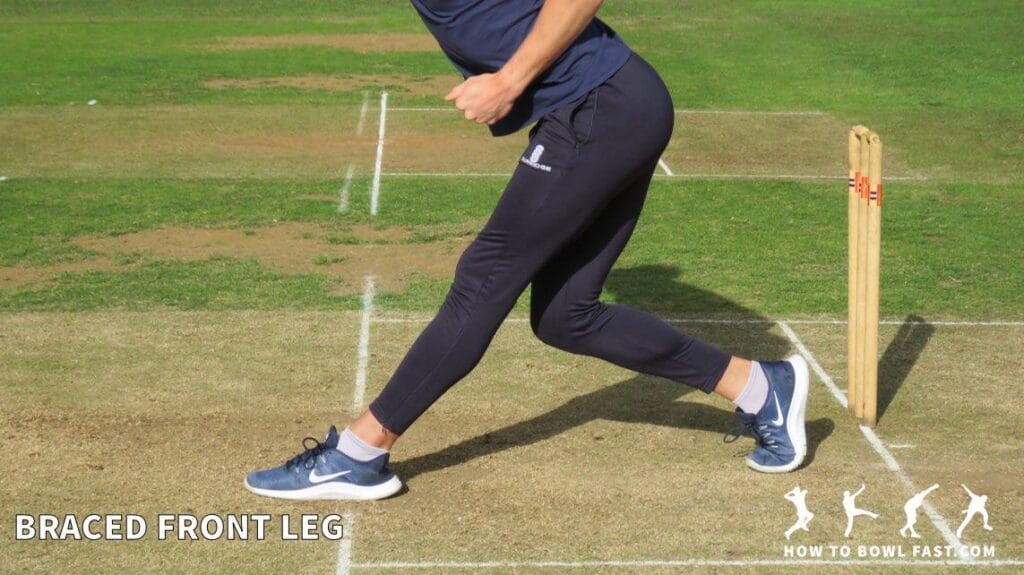
Front leg must become a solid pole.
Practice:
- Bowl with focus ONLY on bracing front leg
- Feel hips slam into the block
This single fix can add 5–8 km/h.
Drill 3 — Medicine Ball Hip-Shoulder Separation
Perform:
- Rotational throws against wall — 4×8 each side
This trains the hip-to-shoulder lag, the secret of fast bowling.
Drill 4 — Weighted Ball Speed Session
Once per week only.
Session example:
- 4 overs normal ball
- 2 overs slightly heavier ball
- 1 over lighter ball
- 2 overs normal ball again
This “contrast training” teaches the nervous system to move faster.
Weekly Bowling Workload Plan
To avoid injury, follow this structure:
| Day | Training |
|---|---|
| Mon | Strength + Light Bowling |
| Tue | Sprint + Plyometrics |
| Wed | Bowling Speed Session |
| Thu | Rest / Mobility |
| Fri | Strength + Drills |
| Sat | Match Simulation |
| Sun | Rest |
Consistency beats intensity.
The Truth About Speed Gains
If done correctly:
- Month 1 → Body transformation
- Month 2 → Noticeable speed jump
- Month 3 → Teammates start commenting
Typical improvement: +8 to +15 km/h in 3–4 months
Yes — it’s realistic.
SECTION 9
Fast Bowling Injuries & Prevention
Fast bowling is one of the most injury-prone roles in all of sport. If you want long-term speed, injury prevention is not optional — it’s part of speed training.
Many young bowlers chase pace and end up losing months or years to preventable injuries.
Why Fast Bowlers Get Injured So Often
During delivery stride, a fast bowler experiences forces up to 8–10× body weight through the front leg and spine.
That’s similar to:
- Jumping off a small wall repeatedly
- Landing on one leg
- While twisting the spine at high speed
Repeat that 600+ times per week → injury risk skyrockets.
Even elite bowlers like Jasprit Bumrah and Pat Cummins have missed long periods due to workload-related injuries.
The Big 5 Fast Bowling Injuries
1) Lower Back Stress Fractures (Most Dangerous)
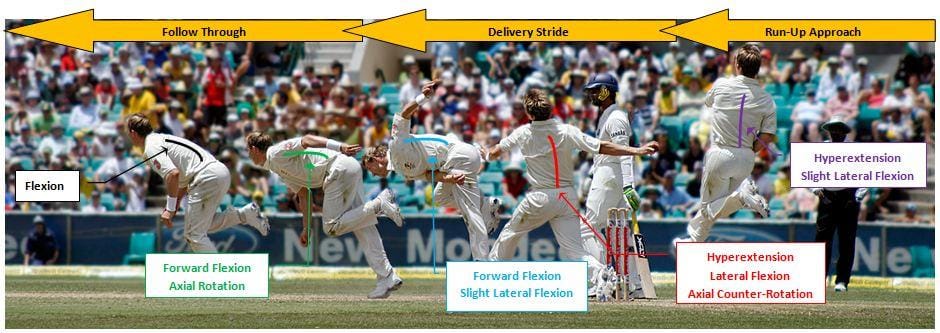
Why it happens
- Excessive bowling workload
- Poor core strength
- Mixed bowling action (twist + side bend)
Common in ages 14–22 when the spine is still developing.
Warning Signs
- Lower back pain after bowling
- Pain when bending backward
- Pain that improves with rest but returns quickly
Ignore this → career-threatening injury.
2) Side Strain (Fast Bowler Classic)
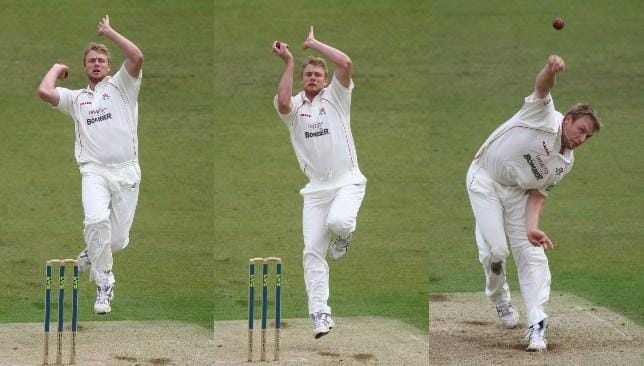
This injury affects the rib and abdominal muscles.
Caused by:
- Explosive trunk rotation
- Sudden workload spikes
- Weak core rotation strength
Typical recovery: 6–10 weeks.
3) Shoulder Injuries
Common issues:
- Rotator cuff strain
- Shoulder impingement
- Labrum irritation
Usually caused by weak upper-back and rotator cuff muscles.
4) Knee Pain & Patellar Tendonitis
Your front leg absorbs huge impact every delivery.
Weak quads or poor landing mechanics → knee overload.
5) Hamstring & Groin Strains
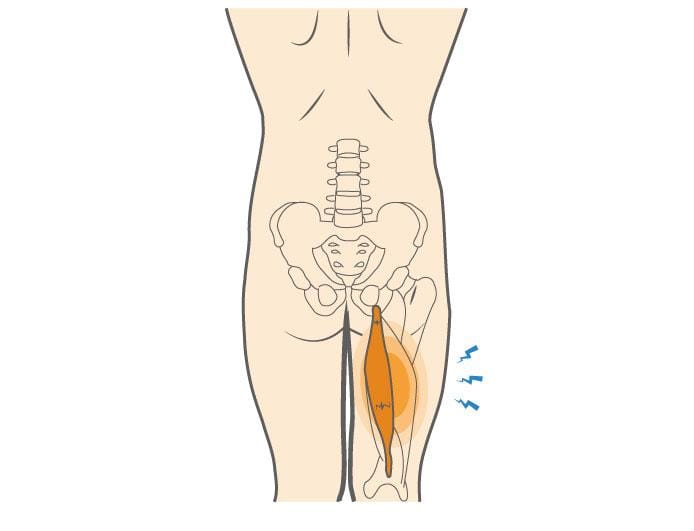
Fast bowlers sprint + bound + twist → perfect storm for muscle strains.
The Golden Rule: Workload Management
Injury risk increases dramatically when workload spikes suddenly.
Safe Bowling Workload (Young Bowlers)
| Age | Balls Per Week |
|---|---|
| Under 14 | 120–150 |
| 15–17 | 150–200 |
| 18–21 | 200–240 |
| Adult | 240–300 |
Golden rule:
Never increase weekly workload by more than 10–15%.
This alone prevents most injuries.
The Fast Bowler Prehab Routine (Do 3x/week)
This 15-minute routine is a career saver.
Shoulder & Upper Back
- Resistance Band External Rotations — 3×15
- Face Pulls — 3×15
- Y-T Raises — 3×12
Core Stability
- Dead Bugs — 3×12
- Side Plank — 3×30 sec each side
- Bird Dogs — 3×12
Hips & Hamstrings
- Nordic Hamstring Curls — 3×6
- Glute Bridges — 3×15
- Hip Flexor Stretch — 2×30 sec
Do this before bowling or gym.
Red Flags You Must Never Ignore
Stop bowling immediately if you feel:
- Sharp lower back pain
- Pain that worsens after sessions
- Pain lasting more than 3 days
- Pain during run-up or jump
Playing through pain destroys careers.
The Truth About Longevity
The fastest bowlers in history lasted long because they managed their bodies.
The modern gold standard is James Anderson, still playing elite cricket after 40 — not because he bowled more, but because he bowled smarter.
SECTION 10
Mental Toughness of Fast Bowlers — The Psychology of Pace
Fast bowling is not just physical violence — it’s mental warfare.
You sprint 30 meters, deliver maximum effort, get hit for a boundary…
…and must repeat the process ball after ball without fear.
That is why fast bowlers are often called the psychopaths of cricket (in a good way).
Speed comes from the body.
Relentless pace comes from the mind.
The Mental Reality of Fast Bowling
A fast bowler must handle:
- Physical pain every spell
- Getting attacked by batsmen
- Long spells in heat
- Little rest between overs
- High expectations
- Constant failure (yes, failure)
Even legends like Dale Steyn and Brett Lee speak openly about the mental grind of fast bowling.
A batter can play 100 balls.
A bowler gets 6 chances per over.
Pressure per ball is enormous.
The Fast Bowler Mindset Formula
Elite pacers share 5 mental traits:
- Aggression
- Resilience
- Patience
- Tactical thinking
- Emotional control
Let’s break these down.
1) Controlled Aggression
Fast bowlers must bowl to dominate, not to survive.
But this aggression must be controlled, not emotional.
Bad aggression:
- Anger after boundaries
- Losing line & length
- Over-trying to bowl fast
Good aggression:
- Attacking the stumps
- Maintaining body language
- Showing presence at the crease
Watch Mitchell Starc after getting hit.
Next ball → yorker attempt.
That’s controlled aggression.
2) Resilience: The Bounce-Back Skill
You will get hit.
You will bowl bad overs.
You will get no wickets sometimes.
Fast bowling is built on bounce-back ability.
Elite bowlers forget the previous ball instantly.
Mental cue:
“Next ball wins the over.”
3) Patience: Wickets Take Time
Young bowlers expect wickets every over.
Reality: wickets are set up over spells.
Great example: Glenn McGrath
He didn’t rely on magic balls.
He built pressure until mistakes happened.
Pressure creates wickets.
4) Tactical Thinking
Fast bowlers are chess players at 140 km/h.
You must think about:
- Field placement
- Batter weaknesses
- Pitch behaviour
- Match situation
Every delivery has a purpose.
5) Emotional Control
Fast bowlers must control emotions after:
- Being hit for six
- Dropped catches
- Bad umpiring decisions
- Flat pitches
This separates pros from talented juniors.
Watch Jasprit Bumrah — same expression every ball.
Calm mind = consistent pace.
The Over Reset Routine (Use Every Over)
Between overs, elite bowlers mentally reset.
Step 1 — Breathing Reset (10 sec)
Deep breath → slow exhale.
Step 2 — Tactical Check
Ask:
- What is working?
- What is the plan this over?
Step 3 — Visualize First Ball
Picture the delivery before bowling.
This takes 20–30 seconds and massively improves consistency.
Handling Fear of Getting Hit
Every fast bowler faces this fear early.
Solution:
- Focus on process, not result
- Aim for good areas, not wickets
- Trust long-term pressure
Fear disappears when process becomes habit.
Building Confidence as a Fast Bowler
Confidence comes from preparation.
You gain confidence from:
- Fitness training
- Strength training
- Skill repetition
- Match experience
Confidence is built before the match.
The Fast Bowler Identity
The greatest fast bowlers see themselves as:
- Team enforcers
- Momentum changers
- Game breakers
That identity fuels effort.
This mindset powered legends like Wasim Akram and Curtly Ambrose.
The Psychological Advantage of Pace
Batsmen fear pace.
Fear creates mistakes.
Fast bowling is psychological dominance.
Your job is to make the batter uncomfortable every ball.
Mental Training Checklist
Do weekly:
- Visualization practice
- Breathing exercises
- Match scenario thinking
- Journaling performance lessons
Train the mind like the body.
SECTION 11
Complete Weekly Fast Bowling Training Plan (Beginner → Advanced)
This is where everything comes together.
Speed, fitness, strength, skill, recovery, and workload must be planned systematically.
Random training = random results.
Structured training = consistent pace gains.
This section gives you a complete weekly system used by professional fast bowlers.
First — The Golden Rules of Fast Bowling Training
Before jumping into plans, understand the principles:
Fast bowlers must train like hybrid athletes:
- Sprinter
- Jumper
- Thrower
- Strength athlete
- Endurance athlete
Your weekly plan must include:
- Bowling sessions
- Speed training
- Strength training
- Mobility & prehab
- Recovery
Miss one → performance drops.
Training Split Overview
| Level | Bowling Days | Gym Days | Speed Days | Recovery |
|---|---|---|---|---|
| Beginner | 2 | 2 | 1 | 2 |
| Intermediate | 3 | 3 | 2 | 2 |
| Advanced | 4 | 3–4 | 2 | 2 |
Now let’s build the actual weekly plans.
BEGINNER PLAN (New Fast Bowlers / Age 13–16)
Goal:
- Learn correct technique
- Build base strength
- Prevent injuries
- Improve rhythm
Weekly Schedule
MONDAY — Strength + Mobility
- Bodyweight Squats — 3×12
- Push-ups — 3×12
- Lunges — 3×10 each leg
- Plank — 3×30 sec
- Hip mobility routine — 10 min
TUESDAY — Bowling Session (Light)
- Warm-up thoroughly
- 4–6 overs easy rhythm bowling
- Focus: line & length, smooth run-up
WEDNESDAY — Rest / Stretching
Active recovery:
- Light jogging or cycling
- Full body stretching
THURSDAY — Speed & Jump Training
- 6 × 20m sprints
- 5 × bounds (20m)
- 5 × vertical jumps
- Core routine
FRIDAY — Rest
SATURDAY — Bowling Session (Moderate)
- 6–8 overs
- Work on seam position
- Basic yorker practice
SUNDAY — Mobility & Recovery
- Foam rolling
- Stretching
- Light swimming or walking
INTERMEDIATE PLAN (Club Level / Age 16–19)
Goal:
- Increase bowling speed
- Improve strength & power
- Build bowling workload capacity
Weekly Schedule
MONDAY — Lower Body Strength
- Squats — 4×6
- Romanian Deadlifts — 3×8
- Walking Lunges — 3×10
- Calf Raises — 3×15
- Core training
TUESDAY — Bowling Session (Skill + Pace)
- 6–8 overs match intensity
- Yorkers + bouncers practice
WEDNESDAY — Speed Training
- 8 × 30m sprints
- Hill sprints — 6 reps
- Plyometric jumps
THURSDAY — Upper Body Strength
- Pull-ups — 4×6
- Bench Press — 4×6
- Shoulder prehab routine
- Rotator cuff work
FRIDAY — Rest / Recovery
SATURDAY — Long Bowling Spell
- 8–10 overs
- Simulate match spell
- Fielding drills
SUNDAY — Mobility + Light Cardio
ADVANCED PLAN (Serious / Competitive Fast Bowlers)
Goal:
- Maximize bowling speed
- Build elite fitness
- Sustain match workloads
Weekly Schedule
MONDAY — Heavy Lower Body
- Back Squat — 5×5
- Deadlift — 4×5
- Bulgarian Split Squats — 3×8
- Nordic Curls — 3×6
TUESDAY — High-Intensity Bowling Spell
- 6–8 overs at full pace
- Tactical bowling plans
WEDNESDAY — Sprint + Plyometrics
- 10 × 30m sprints
- Bounds + hurdle hops
- Med-ball throws
THURSDAY — Upper Body Strength
- Bench Press — 5×5
- Weighted Pull-ups — 4×5
- Push Press — 4×5
- Rotator cuff routine
FRIDAY — Recovery Day
- Massage / foam rolling
- Stretching
- Mobility flow
SATURDAY — Match Simulation Spell
- 10–12 overs broken into spells
- Fielding + catching drills
SUNDAY — Mobility + Light Cardio
Daily Warm-Up Routine (Mandatory)
Before every bowling or gym session:
- Jog — 5 minutes
- Dynamic stretches — 5 minutes
- Sprint build-ups — 5 reps
- Jump prep — 5 reps
- Shoulder activation — bands
Never bowl cold. Ever.
Monthly Progression System
Increase gradually every month:
- Bowling workload → +10%
- Sprint volume → +10%
- Strength weights → +5–10%
Small increases = long-term gains.
Off-Season vs In-Season Adjustments
Off-season
- More gym work
- More speed training
- Technique rebuild
In-season
- Maintain strength
- Reduce gym volume
- Focus on recovery
Sample Daily Time Split
Typical training day:
- Warm-up → 15 min
- Main training → 60–75 min
- Cool-down → 10 min
Total: ~90 minutes.
Consistency Beats Intensity
The biggest mistake fast bowlers make:
Training hard for 2 weeks → stopping for 3 weeks.
Speed comes from months of consistent training.
SECTION 12
Fast Bowling Equipment Guide — Shoes, Balls, Gear & Tech
Fast bowling is brutal on the body. The right equipment doesn’t just improve performance — it protects your career.
This section covers everything a fast bowler actually needs (and what you can safely ignore).
1) Fast Bowling Shoes (Most Important Gear)
Your shoes absorb the shock of landing forces up to 10× body weight.
Bad shoes = injuries + slower run-up.
What Fast Bowlers Need in Shoes
Key features:
- Strong heel support
- Reinforced toe area
- Extra cushioning in the forefoot
- High ankle stability
- Durable spikes for traction
Types of Cricket Shoes
Spiked Shoes (Match & Hard Surfaces)
Best for:
- Turf wickets
- Match bowling
- Maximum run-up grip
Rubber Sole Shoes (Practice & Nets)
Best for:
- Concrete nets
- Indoor practice
- Gym sessions
Pro tip: Own both types. Never bowl regularly in worn-out shoes.
2) Cricket Balls — Why Bowlers Should Care
Many bowlers ignore ball types, but seam feel and hardness affect training massively.
Types of Cricket Balls
Red Ball (Long Format Training)
Best for:
- Swing practice
- Seam position training
- Technique sessions
White Ball (Limited Overs)
Best for:
- Death bowling practice
- Yorkers & slower balls
- T20 skills
Training Balls
Useful for:
- Volume bowling
- Injury-safe workload building
3) Protective Gear Fast Bowlers Should Use
Many young bowlers skip protection. Big mistake.
Essential Protection Checklist
- Abdominal guard (box)
- Knee support (optional)
- Ankle braces if injury-prone
- Sunglasses for daytime bowling
- Sunscreen (seriously — long spells)
Fast bowlers spend hours in the sun. Recovery starts with protection.
4) Compression & Recovery Gear
These tools help manage workload and speed recovery.
Must-Have Recovery Tools
- Foam roller → muscle recovery
- Massage ball → glutes & hips
- Ice packs → inflammation control
- Compression tights → improved circulation
Recovery tools = more bowling days per year.
5) Strength & Training Equipment
To bowl fast, you need gym tools — not just nets.
Must-have training tools:
- Resistance bands → shoulder health
- Medicine ball → bowling power
- Plyo box → explosive jumping
- Sprint sled → run-up speed
These tools directly improve bowling pace.
6) Wearable Tech & Speed Tracking (Modern Fast Bowling)
Technology is changing fast bowling training.
Useful Tech for Bowlers
Speed Radar Guns
Track bowling speed during practice.
Helps monitor progress objectively.
GPS Fitness Trackers
Track:
- Running load
- Heart rate
- Recovery levels
Smart Watches & Apps
Useful for:
- Workout tracking
- Sleep monitoring
- Recovery metrics
Data helps prevent overtraining and injuries.
7) Budget vs Professional Setup
Beginner Setup (Budget)
- Rubber sole shoes
- 2–3 training balls
- Resistance bands
- Foam roller
Intermediate Setup
- Spikes + training shoes
- Red & white balls
- Medicine ball
- Compression wear
Advanced Setup
- Multiple shoes rotation
- Radar speed gun
- GPS fitness tracker
- Full recovery kit
Upgrade gear as workload increases.
Equipment Mistakes to Avoid
❌ Bowling in running shoes
❌ Using one pair of shoes for everything
❌ Ignoring recovery tools
❌ Training without resistance bands
❌ Not replacing worn spikes
Small mistakes → big injuries.
SECTION 13
Nutrition & Diet for Fast Bowlers — Fuel for Speed and Recovery
Fast bowling is one of the most physically demanding roles in sport.
A fast bowler burns huge energy through:
- Sprinting
- Jumping
- Explosive movements
- Long spells in heat
Without proper nutrition, speed drops, recovery slows, and injuries increase.
Food is part of your training program. Check out the detailed diet plan for cricketers in India specially curated by us Why Most Cricketers Fail Without This Diet Plan.
Why Nutrition Matters for Fast Bowlers
Your body needs fuel to:
- Generate explosive power
- Recover from muscle damage
- Maintain stamina in long spells
- Prevent injuries
- Stay mentally sharp
Poor diet = slower bowling.
The Fast Bowler Diet Formula
Your plate should include:
| Nutrient | Why It Matters |
|---|---|
| Carbohydrates | Energy for spells & training |
| Protein | Muscle repair & recovery |
| Healthy fats | Hormones & joint health |
| Vitamins & minerals | Injury prevention & immunity |
| Water & electrolytes | Hydration & endurance |
Let’s break each down.
1) Carbohydrates — Your Primary Fuel
Fast bowlers run and sprint repeatedly.
Carbs power these movements.
Best Carb Sources
- Rice
- Chapati
- Oats
- Potatoes
- Fruits
- Whole grains
Eat more carbs on heavy training and match days.
2) Protein — Muscle Repair & Strength
Bowling causes micro-tears in muscles.
Protein repairs and strengthens them.
Best Protein Sources (India-friendly)
- Eggs
- Chicken
- Fish
- Paneer
- Milk & curd
- Dal & lentils
- Soy & tofu
Daily protein target:
- Beginner: 1.2 g per kg bodyweight
- Advanced: 1.6–2.0 g per kg bodyweight
3) Healthy Fats — Joint & Hormone Health
Fast bowlers put huge stress on joints.
Healthy fats reduce inflammation.
Good Fat Sources
- Nuts & almonds
- Peanut butter
- Seeds
- Ghee (moderate)
- Olive oil
- Fish
4) Hydration — The Hidden Performance Booster
Dehydration can reduce pace significantly.
Signs of dehydration:
- Fatigue
- Muscle cramps
- Headache
- Reduced concentration
Hydration Rule
Drink water consistently throughout the day.
During long sessions:
- Water + electrolytes
- Coconut water is excellent
Pre-Bowling Meal (2–3 Hours Before)
Goal: sustained energy without heaviness.
Ideal Meal Examples
- Rice + chicken + vegetables
- Chapati + paneer + curd
- Oats + banana + milk
Avoid heavy fried foods before bowling.
Pre-Training Snack (30–60 Minutes Before)
Quick energy foods:
- Banana
- Peanut butter sandwich
- Dates
- Yogurt
- Fruit smoothie
Post-Training Recovery Meal (Most Important)
After bowling, your body needs:
- Carbs → replenish energy
- Protein → repair muscles
Perfect Recovery Meals
- Egg omelette + toast + fruit
- Chicken rice bowl
- Paneer wrap + juice
- Milkshake + banana
Eat within 60 minutes of training.
Match Day Nutrition Strategy
Before Match
Eat a balanced breakfast:
- Oats / eggs / fruit / toast
Between Overs
Light snacks:
- Banana
- Energy bars
- Electrolyte drinks
Lunch Break (Long Format)
Focus on easy digestion:
- Rice + lean protein
- Avoid heavy oily foods
Foods Fast Bowlers Should Limit
Avoid excessive:
- Junk food
- Deep fried snacks
- Sugary drinks
- Excess sweets
- Late-night heavy meals
These slow recovery and increase injury risk.
Supplements (Optional, Not Mandatory)
Whole foods come first.
But some supplements can help:
- Whey protein (convenience protein source)
- Creatine (strength & power)
- Electrolyte powders (hydration)
- Fish oil (joint health)
Always consult a professional before supplements.
Sample Daily Diet Plan (Indian Fast Bowler)
Breakfast
- Oats + milk + banana
- 2 boiled eggs
Mid-Morning Snack
- Fruit + handful of nuts
Lunch
- Rice or chapati
- Chicken / paneer / dal
- Vegetables
- Curd
Evening Snack (Pre-training)
- Peanut butter sandwich
- Banana
Dinner (Post-training)
- Chicken / paneer / fish
- Rice / chapati
- Salad
Before Bed
- Glass of milk
Recovery Nutrition Checklist
After heavy spells:
- Eat within 60 minutes
- Drink electrolytes
- Consume protein
- Sleep 7–9 hours
Recovery is where speed gains happen.
SECTION 14
How to Become a Fast Bowler in India — Pathway from School to Professional Cricket
Every young fast bowler in India asks the same question:
“How do I go from local cricket to playing professionally?”
India produces millions of cricketers — but only a tiny percentage reach state and national level.
This section gives you the real pathway.
The Reality of Fast Bowling in India
India historically produced more spinners than fast bowlers.
But the last decade changed everything.
The rise of elite pacers like Jasprit Bumrah, Mohammed Shami, and Mohammed Siraj created a fast-bowling revolution.
Today, India actively searches for fast bowlers through structured programs run by the Board of Control for Cricket in India.
Opportunity has never been bigger.
The Fast Bowler Career Ladder (India)
Your journey usually follows this structure:
- School Cricket
- District Cricket
- State Age-Group Cricket
- Ranji Trophy / Domestic Cricket
- IPL Exposure
- India A
- International Cricket
Let’s break each stage.
Stage 1 — School & Local Cricket (Age 10–15)
This is where the journey begins.
Focus on:
- Learning correct bowling action
- Playing school tournaments
- Joining a cricket academy
- Playing local club matches
Your goal at this stage:
Play as much cricket as possible.
Stage 2 — District Cricket Selection (Age 13–17)
District selection trials are the first serious step.
Selectors look for:
- Bowling speed potential
- Smooth action
- Fitness level
- Height & athleticism
Tip: Speed matters more than wickets at this stage.
Stage 3 — State Age-Group Cricket (U16 / U19 / U23)
This is the biggest jump in competition.
Major tournaments:
- Vijay Merchant Trophy (U16)
- Vinoo Mankad Trophy (U19)
- CK Nayudu Trophy (U23)
Getting selected here puts you on the radar of state coaches and scouts.
Stage 4 — First-Class Domestic Cricket
The dream tournament: Ranji Trophy
If you perform here:
- You gain national visibility
- IPL scouts start watching
- National selectors notice you
This is where careers truly begin.
Stage 5 — IPL Exposure
The Indian Premier League changed Indian fast bowling forever.
Why IPL matters:
- Access to world-class coaches
- Play with international stars
- High-pressure experience
- Massive exposure
Many Indian pacers fast-tracked to international cricket via IPL.
Stage 6 — India A & National Selection
Strong domestic + IPL performances can lead to:
- India A tours
- National camps
- Senior team selection
This is the final step before international cricket.
The Role of Cricket Academies
Academies provide:
- Structured coaching
- Fitness training
- Match exposure
- Selection opportunities
Joining a good academy significantly increases your chances.
What Selectors Look for in Fast Bowlers
Selectors prioritize:
1) Pace Potential
Speed can be developed, but natural pace matters.
2) Repeatable Action
Injury-free, smooth bowling action.
3) Fitness & Work Ethic
Fast bowling requires elite fitness.
4) Attitude & Discipline
Professional mindset matters hugely.
Common Mistakes That Stop Careers
Many talented bowlers fail because of:
❌ Poor fitness
❌ Injuries due to overbowling
❌ No strength training
❌ Bad diet & recovery
❌ Lack of match exposure
Talent alone is not enough.
How Long Does It Take?
Typical timeline:
| Age | Stage |
|---|---|
| 12–15 | School & academy |
| 15–18 | District & state U16/U19 |
| 18–22 | Domestic cricket |
| 20–26 | IPL / India A |
| 22–28 | India debut |
Some rise faster, some slower.
Realistic Advice for Aspiring Fast Bowlers
If you want to succeed:
- Train year-round
- Focus on fitness
- Play competitive matches
- Stay injury-free
- Be patient and consistent
Fast bowling careers are marathons, not sprints.
FAQs
How can I increase my fast bowling speed?
Increase bowling speed by improving run-up speed, strength training, plyometrics, and refining bowling action.
What speed is considered fast in cricket?
120–130 km/h beginner, 130–140 km/h competitive, 140+ km/h elite.
Do fast bowlers need gym training?
Yes. Strength training improves pace, endurance and injury prevention.
How often should fast bowlers train?
5–6 days per week including bowling, strength, sprinting and recovery.
What muscles are most important for fast bowling?
Legs, glutes, core, back, shoulders and hips.
How To
STEP-BY-STEP GUIDE TO BECOMING A FAST BOWLER AND INCREASING BOWLING SPEED.
Build a Fast Run-Up
Develop a smooth accelerating run-up to generate momentum.
Strength Train Lower Body
Use squats, lunges and plyometrics for explosive power.
Improve Bowling Action
Build a smooth and repeatable bowling action.
Practice Speed Drills
Use sprint training and medicine ball throws.



Pingback: Not All Fast Bowlers Are the Same — Here’s Why
Pingback: Fast Bowler Gym Workout Plan for Pace & Power
Pingback: Why Most Bowlers Fail to Bowl Yorker Consistently
Pingback: Why 99% of Indian Cricketers Never Go Pro
Pingback: Best Cricket Shoes for Fast Bowlers India 2026
Pingback: Diet Plan for Cricketers in India: What Actually Works
Pingback: Why Doodle Cricket Is So Addictive
Pingback: Home Cricket Training setup Guide: Perfect for Any Budget
Pingback: 21 Day Home Workout and Diet Planner | Cricket Fitness Guide
Pingback: What No One Tells You About Swing Bowling in cricket (And How Batters Fight Back)
Pingback: Fast Bowling Injury Prevention Guide: The 4-Pillar System to Bowl Faster & Stay Injury-Free