

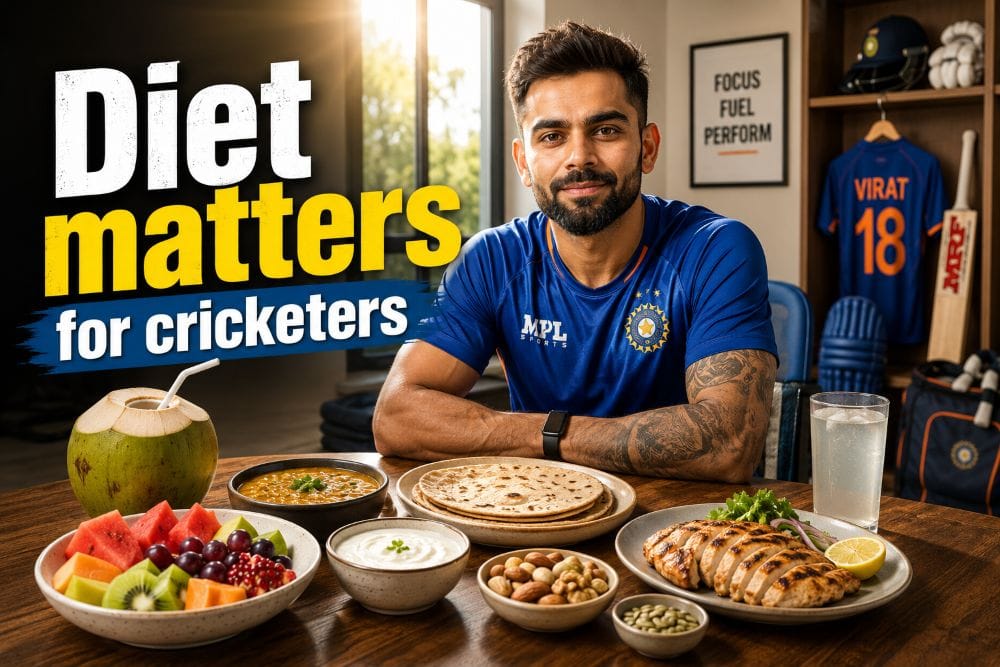
The one thing coaches discuss in the dressing room but nobody tells you about
Nobody talks about food when they watch a five-wicket haul or a match-winning century. They talk about technique, mindset, bounce, and seam movement. But I want to tell you something that hit me hard watching Jasprit Bumrah bowl his 17th over at the MCG — full pace, full control, zero drop-off. That doesn’t happen by accident. It happens because of what he ate at 7 AM that morning, and probably the three days before. The diet plan for cricketers in India is criminally underrated as a performance variable.
Here’s what most cricket fans — and frankly, a lot of young players — get completely wrong. They train obsessively, bowl in the nets till their shoulders ache, and then go eat whatever’s available at home or at the club canteen. That gap between how seriously Indians take practice and how casually they treat nutrition? That’s where careers quietly die. A player who sweats through a three-hour session and then eats a plate of puri sabzi with zero protein isn’t recovering — he’s digging a fatigue hole he’ll fall into by the third match of the season.
In this article, I’m going to break down exactly what a smart, India-specific cricket diet plan looks like. We’ll get into why it’s different for bowlers versus batsmen, what foods Indian cricketers actually rely on (including some surprisingly simple desi staples), and the foods that need to be removed from your plate entirely if you’re serious. Whether you play for your district team or you’re at an NCA camp, this is the guide that should’ve been handed to you on day one. And if you’re looking to understand the full physical demands of pace bowling, don’t miss our Ultimate Guide to Fast Bowling in Cricket (Beginner to Pro) — which pairs perfectly with this nutrition breakdown.
Why Nutrition Matters More Than Ever in the IPL Era
The IPL changed cricket’s physical demands permanently. Matches are compressed, travel is relentless — teams play in Chennai on a Friday night and Ahmedabad on a Sunday afternoon — and the difference between a fresh body and a fatigued one shows up in milliseconds. A dropped catch. A full toss at the death. A mistimed pull shot that a rested batsman would’ve middled cleanly.
This isn’t just instinct talking. Sports nutritionists working with franchise teams now treat pre-match meal planning with the same rigor as video analysis. Every IPL franchise has a dedicated nutritionist, and the diet plan for cricketers in India at the top level is now position-specific, climate-adjusted, and periodised through the tournament. The problem is that this knowledge rarely trickles down to domestic, under-19, or club cricket in India, where most players are still making it up as they go.
The stakes are real. The Indian heat — Ahmedabad’s dry blast, Kolkata’s oppressive humidity, Chennai’s draining stickiness — creates wildly different sweat and energy demands on the same player across two away games in a week. A diet plan built without understanding these variables isn’t a plan. It’s a guess.
Core Nutrition Principles: What Every Indian Cricketer Must Know
1. Carbohydrates Are Your Fuel, Not Your Enemy
There is no diet plan for cricketers in India that works without carbohydrates at its core — full stop. This needs to be said because the fitness social media world has made carbs sound like a villain. For cricketers? They are the primary fuel source, especially for any multi-hour format.
A batsman standing at the crease for five sessions is burning energy continuously, even when he’s “just” standing and reading the bowler. A fast bowler runs in hard for 20–25 overs across a day. Both need sustained fuel, and that fuel comes from carbohydrates. The good news for Indian players is that our kitchen is loaded with the right sources — whole-grain rotis, brown rice, oats, rajma, chana, potatoes, and fruits. Roughly 50% of a cricketer’s daily calories should come from these complex carbohydrate sources, not refined white sugar or maida.
The timing matters hugely. Eat the bulk of your carbohydrates 2–3 hours before training or a match. Your body needs time to convert them to usable energy. A banana 30 minutes before walking out to bat? Perfect for a quick energy top-up. A biryani right before you’re due to bowl? That’s a performance-killing mistake, regardless of how good it tastes.
2. Protein Is Your Recovery Engine
Muscles don’t grow during training. They grow during recovery — and only if there’s enough protein available. Every fast bowling spell, every sprint in the outfield, every session in the gym creates microscopic muscle damage that protein then repairs and rebuilds stronger. For Indian cricketers, especially those on vegetarian diets (which is a significant portion of our domestic players), getting adequate protein requires active planning, not passive eating.
The general benchmark is 1.2 to 1.7 grams of protein per kilogram of body weight per day. A 70 kg player therefore needs between 84g and 120g of protein daily — and needs to hit that number consistently across months, not just on match day. For vegetarian players, the go-to Indian sources are excellent: dal, rajma, chole, paneer, curd, and eggs if the player is ovo-vegetarian. Non-vegetarians add chicken breast, fish, and egg whites to the rotation. Whey protein shakes work well post-training when whole food isn’t immediately available — the standard dose being 20–30g consumed within 30 minutes of finishing play.
3. Hydration Is Performance, Not Just Comfort
This point cannot be overstated: even a 2% drop in body fluids measurably slows reaction time, reduces concentration, and increases fatigue. In Indian summer conditions — and especially during IPL, where matches run into late-night humidity — players are losing significant sodium and potassium through sweat. Drinking plain water is not always enough to replace that.
Top Indian players hydrate at minimum 3–4 litres of water daily, with additional electrolytes on match and training days. Coconut water is nature’s electrolyte drink and is particularly well-suited to the Indian context — cheap, available everywhere, and loaded with potassium. Bananas serve the same purpose during drinks breaks. What players need to actively avoid during matches are carbonated sodas, packaged fruit juices, and energy drinks with unclear ingredient lists — all of which disrupt digestion and cause energy crashes at exactly the wrong moment.
4. Healthy Fats Support Joints and Brain Function
Fast bowlers in particular put enormous, repeated stress on their knees, hips, and lower back. Healthy fats — specifically omega-3 fatty acids — play a significant role in managing inflammation in these joints and supporting cognitive function under pressure. Indian food offers brilliant sources: a small handful of almonds or walnuts before practice, flaxseeds added to curd, fish like rohu or mackerel for non-vegetarians, or a good omega-3 supplement for vegetarians.
The idea isn’t to eat excessive fat — it’s to replace the wrong fats (fried food, trans fats, heavy ghee-loaded snacks) with the right fats at the right times.
5. The Role-Specific Difference: Don’t Put Everyone on the Same Plan
This is perhaps the single biggest mistake in grassroots cricket nutrition in India. A fast bowler and a batsman do fundamentally different physical work. Putting them on identical meal plans is like prescribing the same training programme to a sprinter and a marathon runner.
Fast bowlers operating across a full IPL tournament need 3,000–3,500+ kcal per day, with emphasis on anti-inflammatory foods and joint-protecting nutrients like calcium and Vitamin D. Batsmen prioritise slow-release carbohydrates for sustained concentration across long innings. Wicketkeepers need iron, B-vitamins, and steady hydration because constant squatting and sharp reaction demands are a unique physical burden. All-rounders — the Hardik Pandyas of the world — have the highest dietary variety and caloric needs of anyone in the team, sometimes approaching 3,400 kcal on a day when they both bat and bowl.
If you want to know more about sports nutrition fundamentals Gold-standard research on carbs, protein, hydration, supplements. would be a great choice.
Tactical Breakdown: Diet by Role
Diet Plan for Fast Bowlers
Fast bowlers are the heaviest users of this diet plan for cricketers in India framework. Every delivery is a near-sprint followed by deceleration — repeated 120 to 150 times in a single spell across a game. Jasprit Bumrah’s consistency across long tournaments isn’t just mechanics; it’s deliberate fuelling and recovery.
What fast bowlers should prioritise:
- High-protein breakfasts: boiled eggs, moong dal chilla, or a whey shake with oats
- Anti-inflammatory foods like turmeric milk (haldi doodh), ginger tea, and fatty fish
- Calcium and Vitamin D for bone density — critical given the jarring impact of landing
- Post-bowling recovery within 30–60 minutes: protein + carb combination, such as a banana + protein shake, or curd rice with grilled chicken
What smart fast bowlers avoid the night before a match: heavy fried foods, alcohol, excess sugar, and meals too late at night that disrupt sleep recovery. Sleep is where most muscle repair happens — and a disturbed gut makes for disturbed sleep.
Diet Plan for Batsmen
A batsman’s body runs differently to a bowler’s. The energy demand is more of a slow burn — sustained concentration, repeated explosive shots, and the mental load of reading 140+ deliveries across a long innings. Shubman Gill batting through the 45-degree heat of an IPL afternoon for 70 balls isn’t just technique and grit. It’s also steady blood sugar, which comes from eating the right carbohydrates at the right times.
What batsmen should prioritise:
- Low-GI carbohydrate sources before matches: oatmeal, whole-grain roti, brown rice, banana
- Light pre-match meal 2–3 hours before — nothing heavy that sits in the gut
- Quick-energy snacks during the innings: dates, energy bars, bananas at drinks breaks
- Post-innings recovery: protein + carbohydrates within one hour — think curd, dal-rice, or grilled chicken with quinoa
Where batsmen tend to fall short is in the post-session recovery window. Many players eat well before a match and then neglect the hour immediately after — which is when muscle glycogen replenishment is most efficient. That 60-minute window is non-negotiable.
Common Diet Elements for All Cricketers
There are some nutritional non-negotiables that apply regardless of whether you’re a seamer, spinner, or top-order bat. These form the backbone of any sound diet plan for cricketers in India:
- Breakfast daily, always — the body has been in a 7–8 hour fast and needs fuel before any training begins
- Ragi, millet, and whole-grain staples — increasingly popular even in elite cricket circles, these offer sustained energy and are deeply Indian in their roots
- Curd (dahi) daily — probiotic gut health is connected to immunity and consistent digestion, both essential for playing in varying conditions across India
- Hydration before you feel thirsty — thirst means you’re already behind; proactive drinking is the professional standard
- Ayurvedic support — ashwagandha for stress and recovery, amla juice for Vitamin C and immunity, tulsi water for inflammation; India’s traditional nutrition wisdom holds up well under modern sports science scrutiny
- Controlled supplementation — whey protein, Vitamin D, omega-3, creatine monohydrate (3–5g daily for power outputs), and B-vitamins are safe, well-researched, and legal; always verify against the WADA Prohibited List before adding anything new
Foods to Avoid: The Future of Cricket Nutrition in India
The next five years of cricket nutrition in India will be defined by two trends: personalisation and periodisation. The era of generic diet charts handed to squads is ending. IPL franchises are already modelling meals around individual blood biomarkers, travel schedules, and match-day conditions. By 2030, expect AI-assisted nutrition tracking to be standard across all NCA intake batches, with personalised plans generated from a player’s metabolic rate, training load data, and even gut microbiome analysis.
But even before we get there, the biggest improvement available to Indian cricketers at every level right now is removing the foods that actively damage performance. Here’s what needs to go:
Foods to Avoid for All Cricketers:
- Fried and processed snacks — samosas, chips, pakoras before training drain energy and slow digestion at precisely the wrong moments
- Carbonated drinks — Colas and soda bloat the stomach, disrupt hydration, and cause blood sugar spikes and crashes
- Refined sugar and maida products — white bread, biscuits, and sweets cause rapid energy spikes followed by crashes that ruin sustained performance
- Alcohol — even moderate consumption delays muscle recovery by 24–48 hours and severely disrupts sleep quality; incompatible with a serious training programme
- Heavy, oily meals before matches — a mutton biryani the morning of a match day is the kind of mistake that gets you run out in the second session because your legs felt heavy
- Packaged fruit juices and energy drinks — misleadingly marketed as healthy, these are often sugar-laden and disrupt electrolyte balance
- Late-night heavy meals — the body uses sleep to recover; digesting a large meal during that window competes with muscle repair
The shift in elite Indian cricket is already visible. Look at how Virat Kohli transformed his body after switching to a plant-based diet. Look at how younger players emerging from IPL academies arrive at the national team leaner and stronger than ever. Nutrition is no longer a side conversation in Indian cricket — it’s a primary performance variable, and the next generation of selectors and coaches will increasingly evaluate players on their athletic longevity, not just their on-paper statistics.
The Bottom Line
The best diet plan for cricketers in India isn’t complicated. It doesn’t require expensive supplements or a personal chef. It requires consistency, timing, and an understanding of what your body actually needs based on what you do on the field. Carbohydrates to fuel. Protein to recover. Hydration to sustain. Good fats to protect. Role-specific adjustments to optimise. And the discipline to cut the foods that feel good in the moment but cost you in the third session.
Cricket, more than any sport I know, rewards longevity. The players who last — who play sharp, decisive cricket well into their 30s — are not just talented. They are disciplined. And that discipline starts before the first ball is bowled, at the breakfast table, at the pre-match meal, and in the recovery window after stumps are drawn.
Fuel like a professional, even if you play like an amateur. Your game will thank you for it.
FAQs
What is the best diet plan for cricketers in India?
There is no single best diet plan for cricketers in India — the ideal plan depends on playing role, format, climate, and training load. However, all cricketers should prioritise complex carbohydrates (rice, roti, oats) for energy, 1.2–1.7g of protein per kg of body weight for recovery, adequate hydration of at least 3–4 litres per day, and healthy fats from sources like almonds, walnuts, and flaxseeds.
What should a cricketer eat before a match in India?
A pre-match meal 2–3 hours before play should focus on complex, low-GI carbohydrates — whole-grain roti, oatmeal, or brown rice with a moderate amount of protein. Avoid heavy, oily, or fried foods. A banana 30 minutes before play gives a quick energy top-up without burdening the digestive system.
What do Indian cricketers eat for breakfast?
Most Indian cricketers eat a protein-and-carbohydrate-heavy breakfast. Common options include boiled eggs with whole-grain toast, moong dal chilla, oats with fruit, ragi dosa, or a whey protein shake alongside fruits. Virat Kohli, following a plant-based diet, reportedly relies on quinoa, lentils, and tofu as protein sources.
Is a vegetarian diet enough for Indian cricketers?
Yes, with proper planning. India has excellent vegetarian protein sources — dal, rajma, chole, paneer, curd, and soy — that can meet a cricketer’s protein requirements. Vegetarian players should pay close attention to Vitamin B12 (supplementation is typically necessary), iron, and Vitamin D, which are harder to get from plant-based Indian diets alone.
What should a fast bowler eat in India?
Fast bowlers have the highest caloric and nutritional demands in the team — often 3,000–3,500+ kcal per day. Their diet plan should emphasise high protein for muscle recovery, anti-inflammatory foods (turmeric, ginger, fatty fish), calcium and Vitamin D for bone density, and a disciplined post-bowling recovery meal within 30–60 minutes of finishing their spell.
What foods should Indian cricketers avoid?
Cricketers should avoid fried and processed snacks, carbonated drinks, packaged juices, refined sugar products, alcohol, and heavy oily meals before matches. These foods slow digestion, disrupt hydration, cause energy crashes, and delay muscle recovery — all of which directly harm on-field performance.
How much water should a cricketer drink per day?
A minimum of 3–4 litres daily, with additional electrolyte intake on match and heavy training days. In India’s summer heat — particularly during IPL season — sweat loss of sodium and potassium is significant. Coconut water, banana, and electrolyte tablets help replace what plain water cannot replace alone.
What supplements are safe for cricketers in India?
Well-researched and legal supplements include whey protein, creatine monohydrate (3–5g daily), Vitamin D, omega-3 fish oil, BCAAs, and electrolyte tablets. All supplements should be checked against the WADA Prohibited List and cleared with a sports nutritionist before use, as pre-workout formulas in particular can contain banned substances.
How does the IPL schedule affect a cricketer’s diet plan?
The IPL’s condensed schedule — often with travel between cities every 2–3 days — makes consistent meal planning challenging. Franchise nutritionists plan meals around travel schedules, and players carry portable snacks (protein bars, nuts, bananas, whey shakes) for match days when regular meals aren’t accessible. Climate differences between cities (Chennai’s dry heat vs Kolkata’s humidity) also require real-time hydration adjustments.
Did Virat Kohli’s plant-based diet improve his cricket?
Kohli switched to a largely plant-based diet after 2018, attributing it to significant improvements in recovery time, energy levels, and overall fitness. His protein sources shifted to lentils, legumes, tofu, quinoa, and curd. While individual results vary, his transformation is widely cited in Indian cricket circles as evidence that vegetarian nutrition, done correctly, is entirely compatible with elite performance.